
The price per square foot is a critical metric for first-time homebuyers, revealing property value based on size and location. It's influenced by market trends, with urban areas generally costing more. Lenders use it to assess borrowers, while buyers leverage it to set budgets and compare properties. Understanding this concept helps in making informed decisions, negotiating prices, and navigating the real estate market effectively.
Understanding price per square foot is a crucial step for any first-time buyer navigating the real estate market. This metric, representing the cost of a property relative to its size, significantly influences purchasing decisions yet remains shrouded in complexity for newcomers. The challenge lies in interpreting this figure accurately, factoring in various influences that can dramatically affect its validity across different locations and property types. This educational guide aims to demystify price per square foot, equipping first-time buyers with the knowledge to make informed choices and secure their dream homes effectively.
Understanding Price per Square Foot: Basics Explained

Understanding price per square foot is a crucial step for any first-time buyer navigating the real estate market. This concept, often measured in dollars or euros per unit of area, is a fundamental metric that influences borrowing power and property affordability. It represents the cost of a specific amount of space within a given property, offering borrowers a clear picture of what they can expect to pay based on the size and location of the asset. For instance, in urban areas known for high land values, price per square foot tends to be significantly higher compared to rural or suburban regions, reflecting varying market dynamics and local economic factors.
When considering a property, lenders typically assess a borrower’s ability to handle the price per square foot as part of their qualification process. The optimal range can vary based on individual circumstances and market trends. For instance, a buyer with excellent credit and a solid financial background might qualify for loans supporting higher price per square foot, enabling them to acquire larger or more premium properties. Conversely, borrowers with less substantial financial profiles may be directed towards options catering to lower price points to ensure manageable debt levels. According to recent data, the average price per square foot in major metropolitan areas hovers around $500, while suburban and rural locations often fall below $200, showcasing a notable disparity that influences borrowing requirements.
To optimize their purchasing power, first-time buyers should educate themselves on local market trends and consult with mortgage experts. This knowledge allows borrowers to set realistic expectations, compare properties effectively, and make informed decisions. Lenders can guide individuals through the process, offering tailored advice based on price per square foot borrower requirements, ensuring a seamless transition into homeownership while aligning with individual financial capabilities.
Factors Influencing Cost: A Comprehensive Breakdown

The price per square foot is a critical metric for first-time homebuyers and investors alike, offering a standardized way to compare properties. However, understanding what influences this price is essential for making informed decisions. Several factors play a significant role in determining the cost per unit area, each affecting the overall value of a property. These elements range from market conditions and location to the property’s age and unique features.
Market trends and local economy are primary drivers. Areas with high demand, often characterized by strong employment rates and desirable amenities, tend to have higher prices per square foot. For instance, urban centers like New York City or San Francisco consistently showcase premium prices due to their vibrant economies and limited land availability. Conversely, rural or suburban areas might offer more affordable options, reflecting lower demand and cost of living. Moreover, the property’s age is a factor; newer homes often command higher rates due to modern amenities and lower maintenance costs, while older properties may have reduced prices per square foot, albeit with potential renovation needs.
Borrower requirements also impact this metric. Lenders typically assess the loan-to-value ratio, which influences interest rates and down payment percentages. Properties with desirable locations or premium features might attract borrowers seeking smaller down payments, thereby affecting the price per square foot. According to recent data, properties in prime locations often see higher borrowing activity, driving up the price point. Additionally, unique characteristics like a stunning view, renovated interiors, or a spacious layout can justify higher prices—a phenomenon known as ‘location premium’ and ‘value-add renovations’.
When navigating the real estate market, first-time buyers should research these factors to understand the dynamics of price per square foot. Staying informed about market trends, understanding borrower requirements, and considering property age enables individuals to make strategic decisions, ensuring they secure a property that aligns with their budget and desires.
Calculating Property Value: Steps for First-Timers
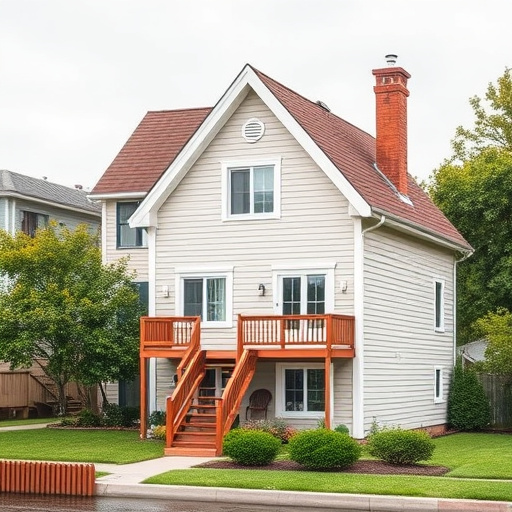
Calculating property value using the price per square foot metric is a crucial step for first-time buyers navigating the real estate market. This simple yet powerful tool allows borrowers to assess whether a property aligns with their budget and expected value in a given area. Understanding how to calculate this figure empowers buyers to make informed decisions, ensuring they get a fair deal that meets their financial requirements.
The process begins by gathering essential data: recent sales prices of comparable properties within the same neighborhood or region. These properties should share similar features, such as number of bedrooms and bathrooms, age, and overall condition, to ensure accurate comparisons. Once you’ve identified these benchmarks, divide the total sale price by the square footage of each property. This will give you the price per square foot for that particular area. For instance, if a 1,500-square-foot home sold for $375,000, the calculation would be $250 per square foot—a figure that serves as a valuable benchmark for assessing subsequent property values.
Lenders and borrowers often use price per square foot to determine borrower requirements. Lenders may consider this metric when assessing loan eligibility, especially in areas where property prices vary widely. For borrowers, understanding the local average price per square foot helps them set realistic expectations about what they can afford. In cities like San Francisco or New York, where real estate is notoriously expensive, a price per square foot of $1,000 or more is not uncommon. In contrast, suburban areas might have averages as low as $150-$200 per square foot. Knowing these figures beforehand allows borrowers to budget accordingly and avoid overspending based on emotional attachments to certain properties.
Strategies for Negotiation: Maximizing Your Investment

When navigating the real estate market as a first-time buyer, understanding the concept of price per square foot is crucial for making informed decisions. This metric, expressed as the cost per unit of area, provides valuable insights into the value of a property relative to its size. It’s not merely about the overall price; it’s a strategic tool for negotiating and maximizing your investment.
In today’s market, borrowers often seek properties that offer both affordability and potential for growth. Lenders and real estate professionals alike consider price per square foot when evaluating borrower requirements. Ideally, buyers should aim to secure a property where the price falls within a reasonable range based on local market trends. For instance, in urban areas with high land values, a property might command a higher price per square foot due to its desirability and limited availability of comparable spaces. Conversely, properties in suburban or rural locations may offer more affordable rates.
Effective negotiation strategies can significantly influence the final purchase price. First-time buyers should familiarize themselves with market norms, including average prices per square foot in their desired locations. This knowledge equips them to challenge asking prices and advocate for a fair deal. For instance, if a property’s price exceeds 3-4 times the local average price per square foot, it might be worth exploring alternatives or negotiating further. By staying informed about market dynamics, including borrower requirements and pricing trends, buyers can make strategic decisions that align with their financial goals and secure a favorable investment.